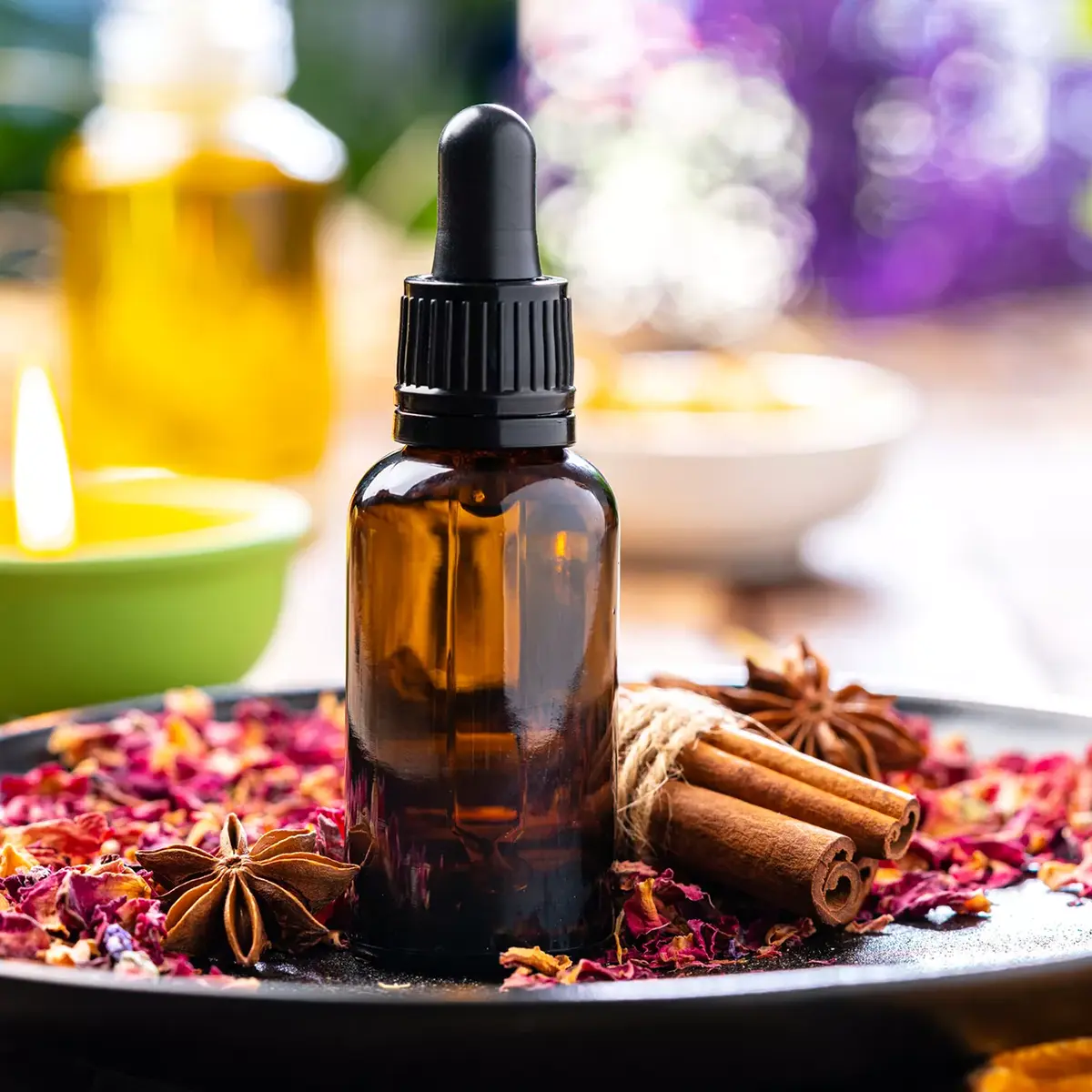

You spend three months dialing in a new beard oil, bath soak, or face cream. The bench test batches look solid, the scent holds up nicely, and the small trial run goes off without a hitch. Then you scale up production, order a 50-liter drum, and suddenly everything goes sideways. Customers start messaging you that the new batch smells off, leaves a greasy film on the skin, or separates after sitting on a retail shelf for two weeks. When a formulation fails after you scale, nine times out of ten the recipe is not the problem. The issue is who you bought your raw drums from. Working with unverified Essential Oils Suppliers is the quickest way to dump cheap cutting agents and mystery solvents into what was supposed to be a clean batch.
Let's talk about what happens in the bulk essential oil trade when prices spike. When raw botanicals get expensive—say eucalyptus yields drop after a bad season or lavender takes a hit from dry weather—unethical brokers look for ways to stretch their stock. They rarely send you an outright fake product because that gets caught too quickly in basic tests. Instead, they cut genuine oil with 15% or 20% dipropylene glycol, mineral oil, or synthetic isolates that mimic the main scent notes.
A lot of small and mid-sized brands buy their raw ingredients from online trading boards or brokers who have never actually set foot on a farm. These traders buy drums from liquidators, blend batches together to hit a standard price point, and slap a fresh label on the front. You have zero idea what soil those plants grew in, whether the field was sprayed with harsh pesticides, or whether the extractor ran hexane through the plant material just to squeeze out an extra bit of yield. When you partner directly with verified Essential Oils Suppliers, you skip that whole shell game. You get an unbroken paper trail back to the harvest, a consistent batch profile, and the exact plant-based compounds you need to make your formulas perform the way you planned.
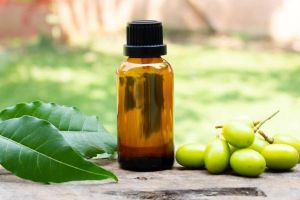
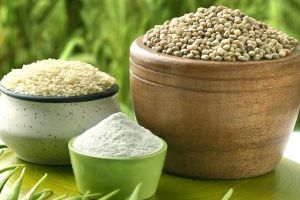
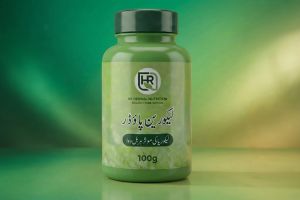
Handling production close to the fields changes the entire equation. Working directly out of Pakistan, the processing team at HR Herbal International manages the supply chain right from the crop harvest through to the final distillation run. When steam distillation and expeller pressing happen under strict in-house controls, there is simply no opportunity for third-party traders to tamper with the oil. You get genuine botanical extracts with their natural terpene profiles, true aromas, and active therapeutic properties completely intact.
This purity problem is not just a headache for boutique makers; large manufacturers face the exact same risk at scale. Cosmetic houses and contract packagers know that a single bad drum can cause an entire shipping container to be rejected at customs. That is why several leading Essential Oils Manufacturers in Dubai steer clear of anonymous trading desks and import their raw botanical drums straight from verified farm-level distillers. They need to know that every drum of peppermint, tea tree, or eucalyptus will pass laboratory screening without throwing red flags for synthetic residues.
Before you wire money for bulk barrels of botanical oil, ask tough questions and look closely at the paperwork:
At the end of the day, your customers do not care who supplied your raw materials. If a face wash causes a rash or a massage oil smells like kerosene, your name is the one on the bottle. Trying to save a few dollars by rolling the dice on unvetted drums is just bad math that ruins customer trust. Teaming up with an honest, field-level producer like HR Herbal International ensures you get genuine, unadulterated oils shipped straight from Pakistan that keep your batches consistent, your labels honest, and your business growing.