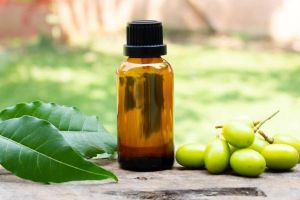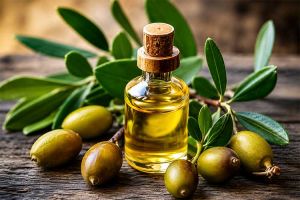
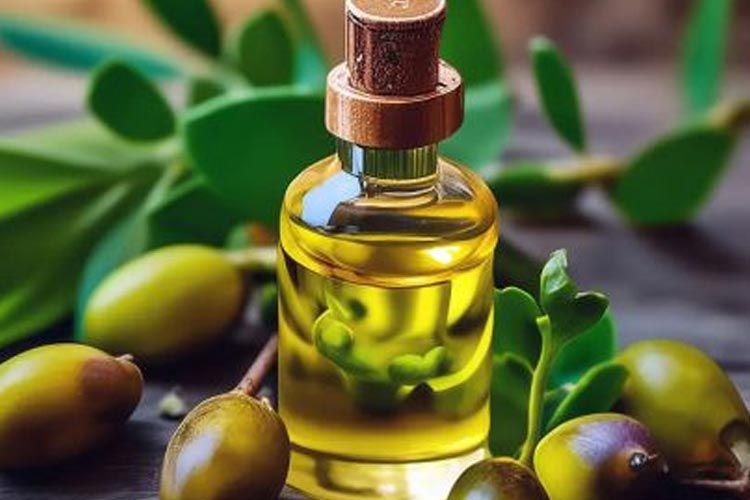
The neem oil market has grown significantly over the past decade. Consumer awareness of its applications across skincare, agriculture, haircare, and pest control has brought a wave of new suppliers into the space. Quality varies enormously beneath similar-looking packaging and confident marketing language. Identifying the right partner requires looking well past product descriptions and price lists. Production standards, testing protocols, and supply consistency are what actually determine whether a relationship serves a business reliably. A trusted Neem Oil Manufacturer in UK like HR Herbals International gives buyers the quality foundation and documentation transparency that serious applications genuinely demand as a baseline rather than a negotiated extra.
Not all neem oil is the same product, despite often being sold as if it were. Azadirachtin content varies significantly based on source material, extraction method, and storage conditions after production. Oil produced from mature neem seeds using properly controlled cold-pressing retains active compounds at meaningful concentrations. Oil from immature seeds, processed under elevated temperatures, or stored incorrectly before reaching the buyer, retains very little biological activity. That variation is entirely invisible without proper analytical testing.
Cold-pressing sounds straightforward but demands careful management at every stage of the process. Temperature control throughout pressing is critical because heat degrades azadirachtin and other active compounds that give neem oil its commercial value. Seed quality at the input stage sets the ceiling for what the finished oil can achieve, regardless of how well everything else is managed. Post-extraction filtration, appropriate storage conditions, and packaging that protects the oil from light and oxidation all affect whether the product reaching the buyer retains the active compound profile documented at production. A serious Neem Oil Manufacturer in UK documents and controls every one of these stages consistently. Leaving any stage to operator discretion introduces variation that compounds into quality problems across subsequent batches.
Neem oil serves multiple industries, and each carries different regulatory requirements. Buyers need specific documentation to operate confidently in each context. The standards that distinguish genuinely reliable manufacturers from credible-looking alternatives are specific and verifiable before any order is placed. Here is what should be confirmed as a non-negotiable baseline before committing to any supply relationship:
Supplier switching decisions in the neem oil market follow a recognisable and unfortunately common pattern. A business sources from an attractive price point and receives acceptable quality on the first or second order. Then batch inconsistency, documentation gaps, or communication failures begin creating problems in finished products or customer relationships. The cost of resolving those downstream problems almost always exceeds the price premium that a reliable supplier would have charged from the beginning. Quality-focused Neem Oil Suppliers in UK tend to attract buyers who have been through that experience and refuse to repeat it. The second sourcing decision is almost always more rigorous and more rewarding than the first.
Reliable neem oil supply compounds in value across every order placed and every finished product formulated around it. Formulators who know their input performs consistently can develop products with genuine confidence in their efficacy. Agricultural businesses can plan application programmes around predictable active compound levels.
Choosing the right neem oil supply partner is ultimately a risk management decision as much as a quality one. Every finished product containing neem oil carries the reputation of whoever produced the input, whether or not that manufacturer is visible to the end consumer. Batch failures, documentation gaps, and active compound inconsistency all trace back to sourcing decisions made before the first order was placed. The brands that build lasting reputations in botanical ingredient markets tend to be the ones who treated supplier evaluation with the same seriousness they bring to product development.